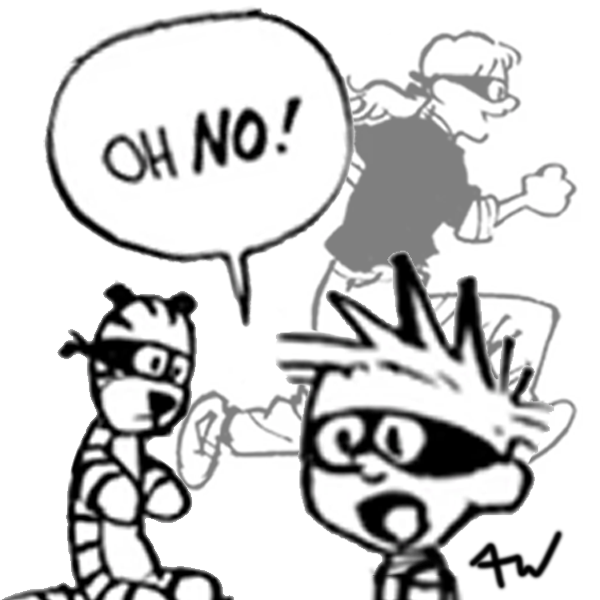
2026 Winter Olympics set to debut Calvinball
Upon donations by mysterious benefactors, Calvinball is now part of the Winter Olympics. The following is an account of the first match, an embroiled battle between Botswana and Burkina Faso, as retold by an unnamed Calvinball aficionado watching from a safe distance.
GESLING STADIUM Students flocked to the arena to relish in the brutal spectacle of the greatest sport known to tigerkind. The game’s progenitor, Calvin, actually played an orthodox 1v1 format of Calvinball, but the game has changed much since its inception in 1985. Botswana walked first onto the field with their squadron of 56 players. Due to one of those players being an opposing spy, Burkina Faso brought 57 players, giving them the advantage in the Lawmaker’s Zone near the goalposts by forming a simple majority in case they needed to pass any legislation.
Winning the twelve-coin flip, Botswana’s starting three-quartersback Lesedi Molefe opened with a beautiful kick of the Calvinball straight into Adama Diallo’s gut. Burkina Faso responded in kind with a blistering punt of the Calvinball over towards the far end of the field, gracefully curving through the air to dodge the imaginary fighter jets. As the ball descended back towards the snow-covered grass, the receiving Burkina attackers assembled into the highly controversial Hell’s Aqueduct formation, interlocking limbs and bodies to form an impenetrable path for the ball to roll into the opposing team’s Punishment Zone.
Botswana’s coach, silently furious over the development, quickly slipped the nearest referee a crisp $20 bill, who began contesting the other officials and tigers-in-residence over the legality of the Hell’s Aqueduct. As referees descended upon the field, the ensuing scuffle quickly turned into a subgame of Calvinball to settle the ruling.
The tussle between teams lasted for a full 13 days, with four players dying from starvation and another three going insane from lack of sleep. Halfway through the game, some players broke off to battle it out in the nearby tennis courts, but eventually returned to the original playing field, citing “too many Slow Motion zones” making for poor playing conditions.
In the end, Burkina Faso won with a score of Oogity -∫, securing their spot for the round of 128 and a shot at the coveted Tuna Cup. The next match, scheduled for Friday, features an expectedly civil and respectful match between Serbia and Kosovo.